
Physical therapy and rehabilitation procedures
Robotic Rehabilitation
Robotic therapies, which are gaining increasing importance in our country and around the world, are applied in physical therapy and rehabilitation departments in an up-to-date manner using the latest technological advances.
Robotic applications play an important role in increasing the effectiveness of treatment in physical therapy and rehabilitation practice, its applications and modifications. All robotic systems essentially work by taking advantage of the brain's plasticity — that is, as you know, the brain's ability to restructure itself like plastic.
The sensory and visual stimuli delivered externally by robotic systems help teach the message to the patient in reverse. In other words, by stimulating the muscles and the spinal cord and activating the interrupted pathway from the brain, the patient is taught to walk again.
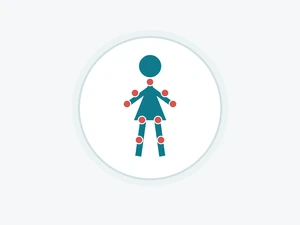 Fibromyalgia
Fibromyalgia (soft tissue rheumatism) is a chronic musculoskeletal disorder characterised by widespread pain and tender points in certain areas of the body.
Although the cause of the disease is unknown, many factors — such as stress, anxiety, depression, a perfectionist personality, immune system disorders, muscle problems, physical injuries, physical and psychological trauma, an intense work schedule, sleep disorders and prolonged computer use — are thought to trigger fibromyalgia in genetically predisposed individuals.
Patients frequently experience chronic widespread pain, stiffness, fatigue, sleep disturbance, constipation, diarrhoea and menstrual irregularities. In the treatment of fibromyalgia, various medications, injections such as dry needling and mesotherapy, physical therapy sessions and ozone therapy are applied according to the patient's condition and characteristics.
 Neural Therapy
Neural therapy is a method used to treat pain and illnesses using low-dose local anaesthetics. These local anaesthetics are usually administered by injection into the skin in the form of small blisters. They can also be applied to painful points in the muscles known as trigger points, to scar tissue in the skin, to acupuncture points, to nerve regions or to the ganglia of the vegetative nervous system.
Neural therapy is a regulatory treatment method that acts on the vegetative nervous system, which consists of the sympathetic and parasympathetic systems. The vegetative system forms a widespread network around our tissues and organs. The focus of neural therapy is not merely to reduce pain in the painful area; the main source of the pain is identified and the underlying problem is addressed.
The local anaesthetics used in neural therapy normalise the electrical activity of tissues with disturbed bioelectrical activity. This increases blood flow and metabolism. It can also help remove waste substances from the surrounding tissue. This injection method is not only effective at the application site; it also has effects on the whole body, including the nervous system, hormones and mental state.
Neural therapy is particularly effective in the treatment of conditions characterised by chronic pain. It is an effective and safe method for many conditions such as lower back, neck and back pain, lumbar and cervical disc herniation, knee, hip and shoulder pain, migraines and headaches, rheumatic diseases, fibromyalgia, facial paralysis, restless legs syndrome and carpal tunnel syndrome.
Kinesio Taping
Kinesio taping is a method used to treat problems such as pain, injury or muscle weakness in athletes and other individuals. It is designed to support the movement of muscles and tissues. When applied, the tape exerts a pulling force on the muscles and tissues, which can increase blood flow and support the muscles. Kinesio tape also helps reduce pain by stimulating the nerve endings under the skin.
Applied by a specialist or physiotherapist, kinesio tape can usually remain in place for several days or weeks. It can be used as a stand-alone treatment or in combination with pain-relief medication or other therapies.
Manual Therapy
Manual therapy is a method in which the hands are used with various techniques and manoeuvres to move the muscle and bone structures painlessly during the patient's treatment. It can be applied for acute and chronic back and neck pain, lumbar and cervical disc herniation, back pain, hip pain, coccyx pain and various joint pains.
It helps restore mobility and reduce pain in areas of the body with restricted movement, in the muscles and in the joint structures.
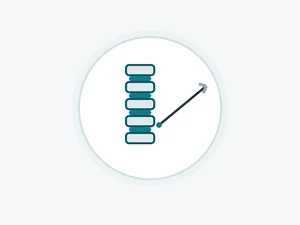 Spinal Injections (Spinal Needle Therapy)
Spinal injections (spinal needle therapy) involve placing a needle directly into the painful areas of the spine and administering medication and other therapeutic substances directly.
Spinal injections are used for conditions such as back pain, neck pain, sciatica, spinal stenosis and disc problems. They are usually performed under anaesthesia. The treatment can take from a few minutes to an hour.
Spinal needle therapy is an effective treatment method for relieving pain and improving the patient's mobility. However, as with any medical procedure, it carries risks and side effects. For this reason, this treatment method should be recommended and performed by a specialist doctor.
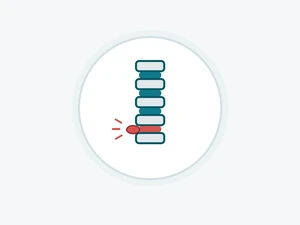 Non-surgical treatments for lumbar disc herniation
In cases of lumbar disc herniation, surgery is required when there is loss of strength indicating the onset of nerve damage, impaired urinary and bowel function, or severe pain that does not respond to other treatments. These represent only a very small proportion of patients with lumbar disc herniation.
Other patients can be treated with medication, exercise, physical therapy and manipulation. In patients with severe pain, epidural injections can sometimes spare them from surgery.
Acupuncture
Acupuncture is a treatment method that originated in China and has spread throughout the world since ancient times. Acupuncture treats illnesses by inserting needles into specific points on the body.
Acupuncture is applied for many conditions thanks to its pain-relieving, immune-boosting, stress-reducing, metabolism-regulating and mobility-improving effects.
Hilterapia
Hilterapia is known as high-intensity laser therapy. It is a medical method used to treat tissues using high-intensity laser beams. Compared with low-intensity laser therapy, hilterapia increases the intensity of the laser beams, allowing them to penetrate deeper into the tissues and stimulate the cells more effectively.
Through the effect of high-intensity lasers, hilterapia increases the amount of ATP produced by the mitochondria in the cells, accelerating the cells' repair and healing processes. It also helps reduce pain, relieve inflammation and increase blood circulation to the tissues.
Hilterapia can be used for many different medical conditions. It is considered an effective treatment method particularly for musculoskeletal disorders and injuries, arthritis, tendinitis, bursitis, burns and ulcers, and chronic pain syndromes.
Physiotherapy
Physiotherapy is a branch of medicine that uses movement and physical activity, as well as different techniques such as exercise, manual therapy and electrotherapy, to treat various illnesses. Physiotherapy can be used to treat problems in different systems of the body, such as the musculoskeletal system, the respiratory system, the circulatory system and the nervous system.
Physiotherapists create treatment plans by assessing patients' physical functions. They work to reduce the symptoms of the illness and maximise the patient's function.
 Medical Massage
Medical massage is a type of massage used to treat pain, tension, spasms or injuries in the muscles, and it is applied as a medical treatment method. As it is a massage performed for medical purposes, it is usually carried out by a healthcare professional.
Medical massage can help relax the muscles, increase blood circulation and reduce pain. This type of massage is commonly used to treat sports-related injuries, muscle tension and muscle strains. It is also used in the treatment of rheumatoid arthritis, fibromyalgia, nerve entrapment and other chronic pain conditions.
Devices Used in Physical Therapy
- Electrical current devices
- Surface and deep heating devices
- Aerobic exercise machines
- Arm robot
- Leg robot
- Balance machine
- Biofeedback
- Virtual reality
- Orthoses
- Assistive devices and more.
Planned patient journey
- 01 Online pre-consultation
- 02 Flight and welcome
- 03 Hospital appointment
- 04 Hotel and check-up
- 05 Return transfer
Treatment plan
Doctor's assessment and a category-specific procedure schedule.
Accommodation support
Discounted hotel and transfer times are planned together.
Get a second medical opinion
The opportunity to consult another specialist before deciding on treatment.
Multilingual communication
Receive service in your native language.

Contact Us
Leave a message.
When you fill out the form, your details are forwarded to the relevant email address.