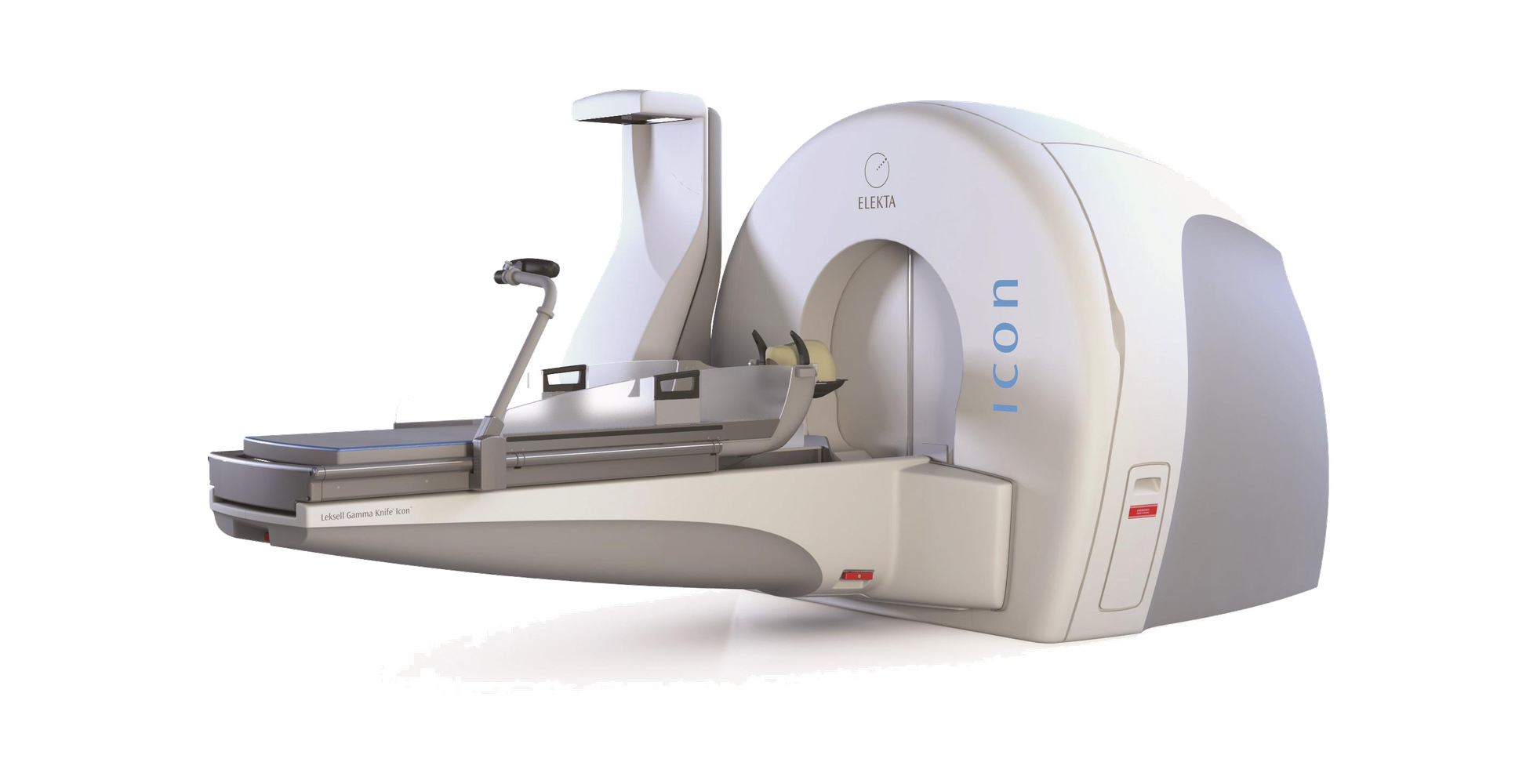
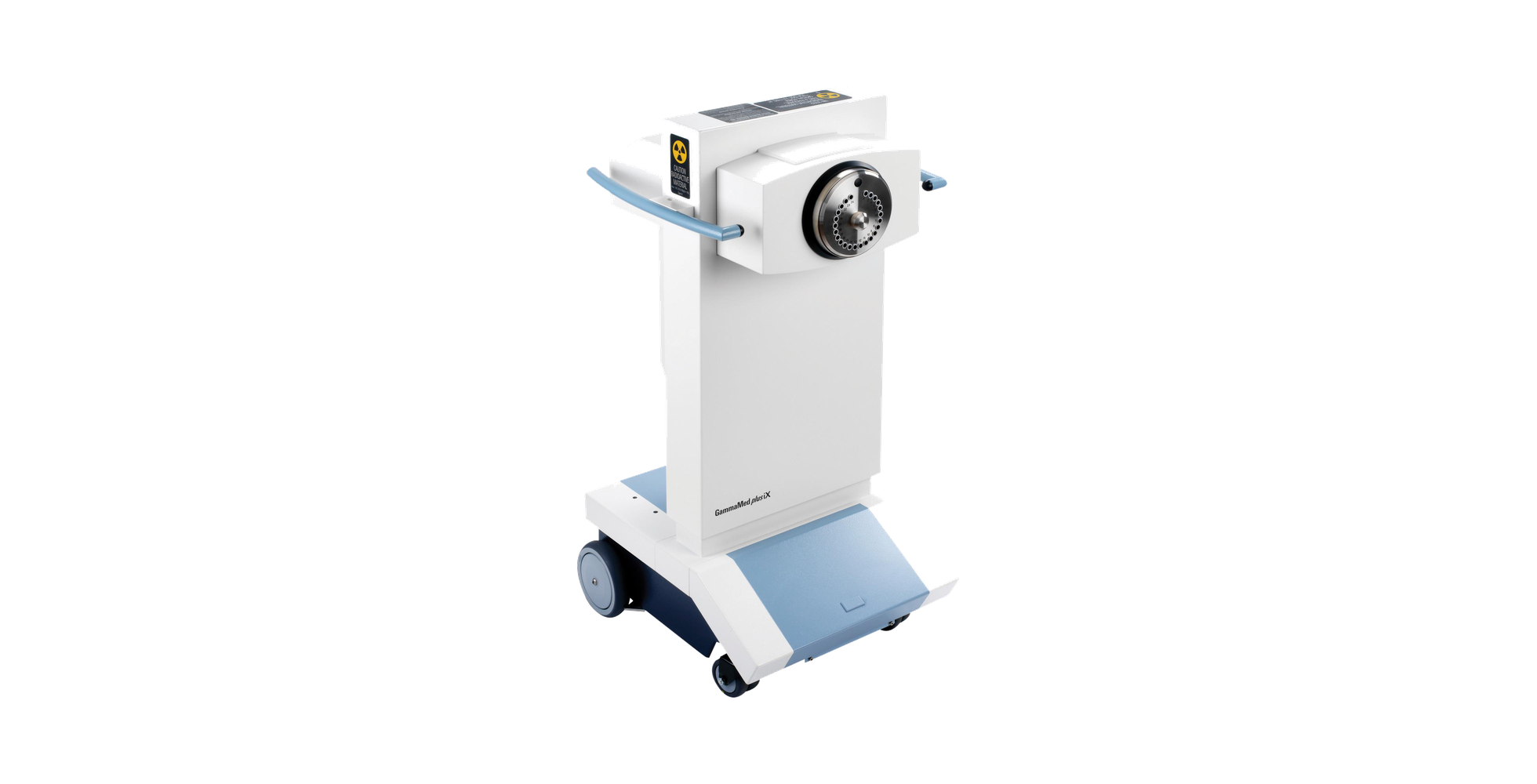
Gamma Knife
Offers non-surgical, targeted single-session treatment for brain diseases. It is considered the gold standard of stereotactic radiosurgery for tumours smaller than 3 cm.
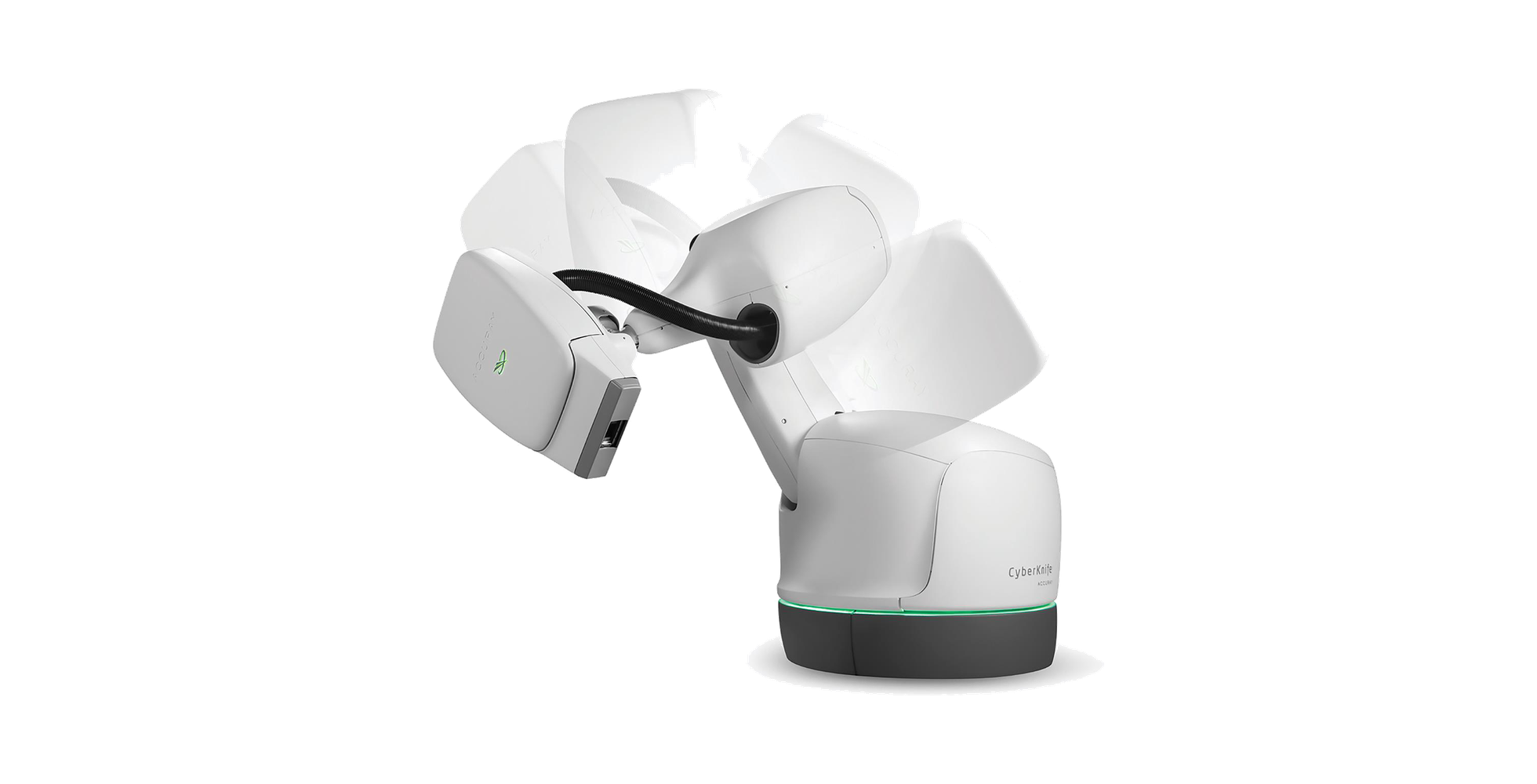
CyberKnife
This robotic radiosurgery system treats tumours in any part of the body without the need for surgery. It delivers high-dose radiation to the tumour with very high precision.
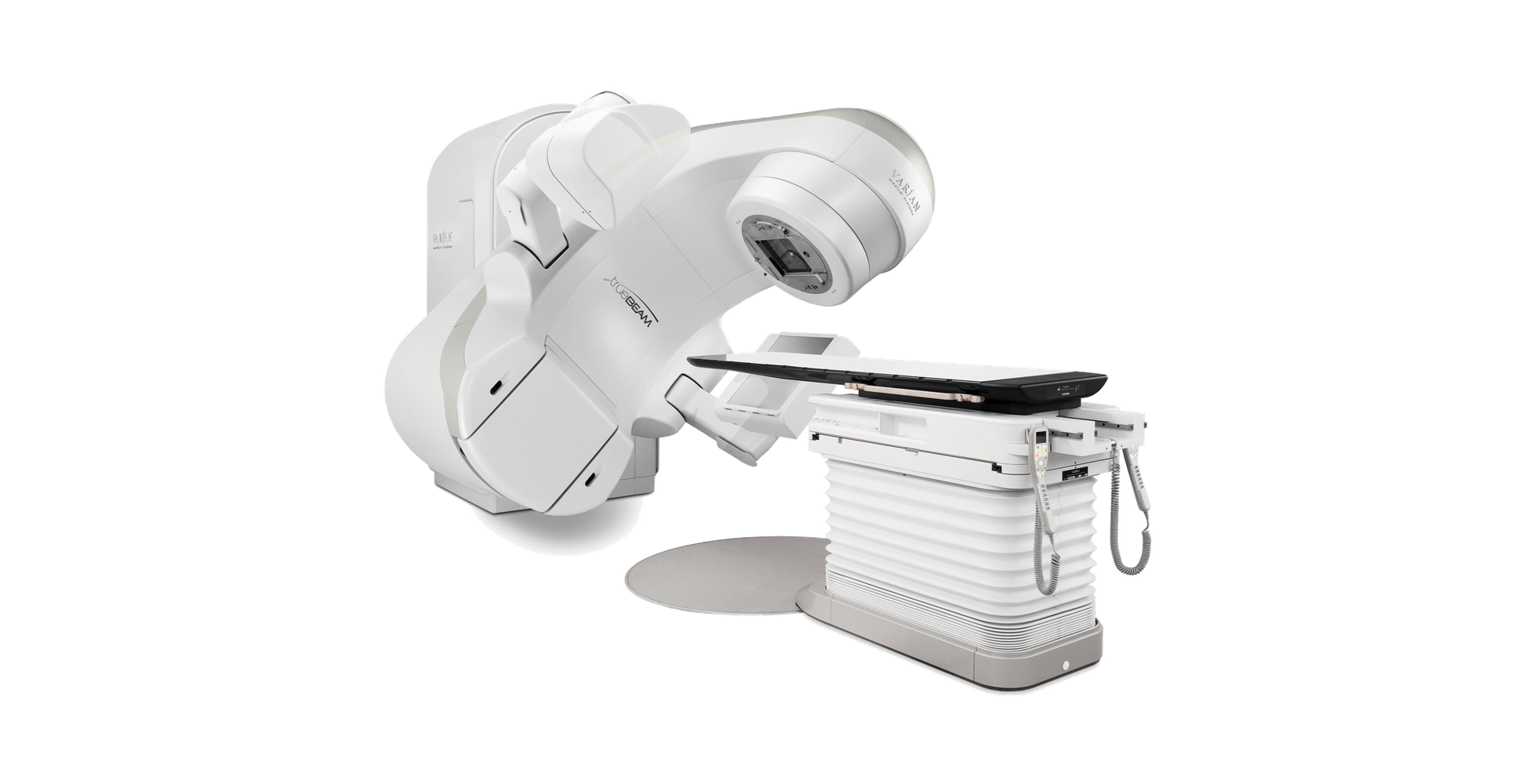
TrueBeam
Using linear accelerator technology, it directs high-dose radiation only at cancerous cells while protecting the surrounding healthy tissue. It is an advanced radiotherapy device in terms of speed and efficiency.
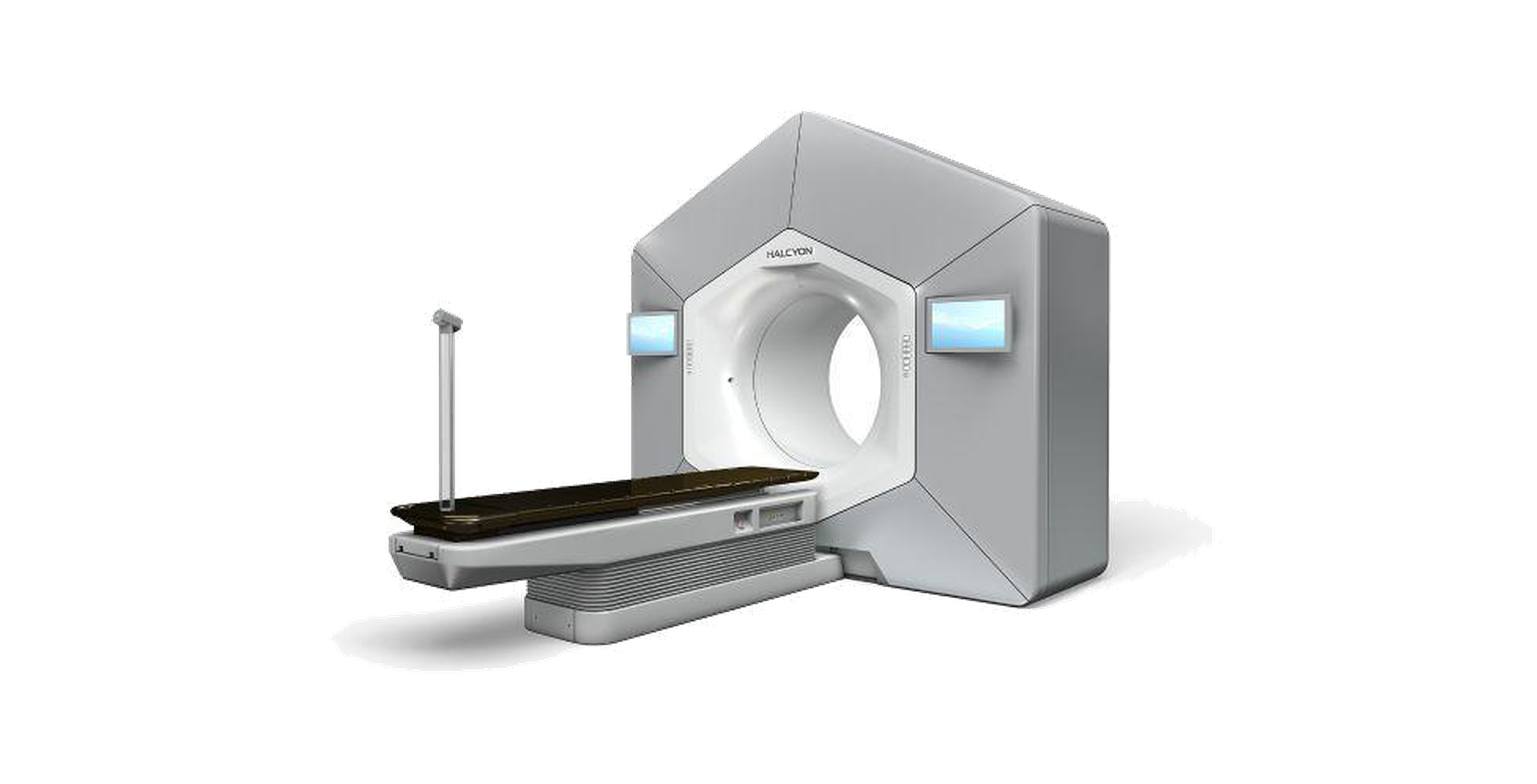
Halcyon
This next-generation radiotherapy device shortens procedure times, allowing more patients to be treated in a day. It delivers intensity-modulated radiotherapy with continuous motion.
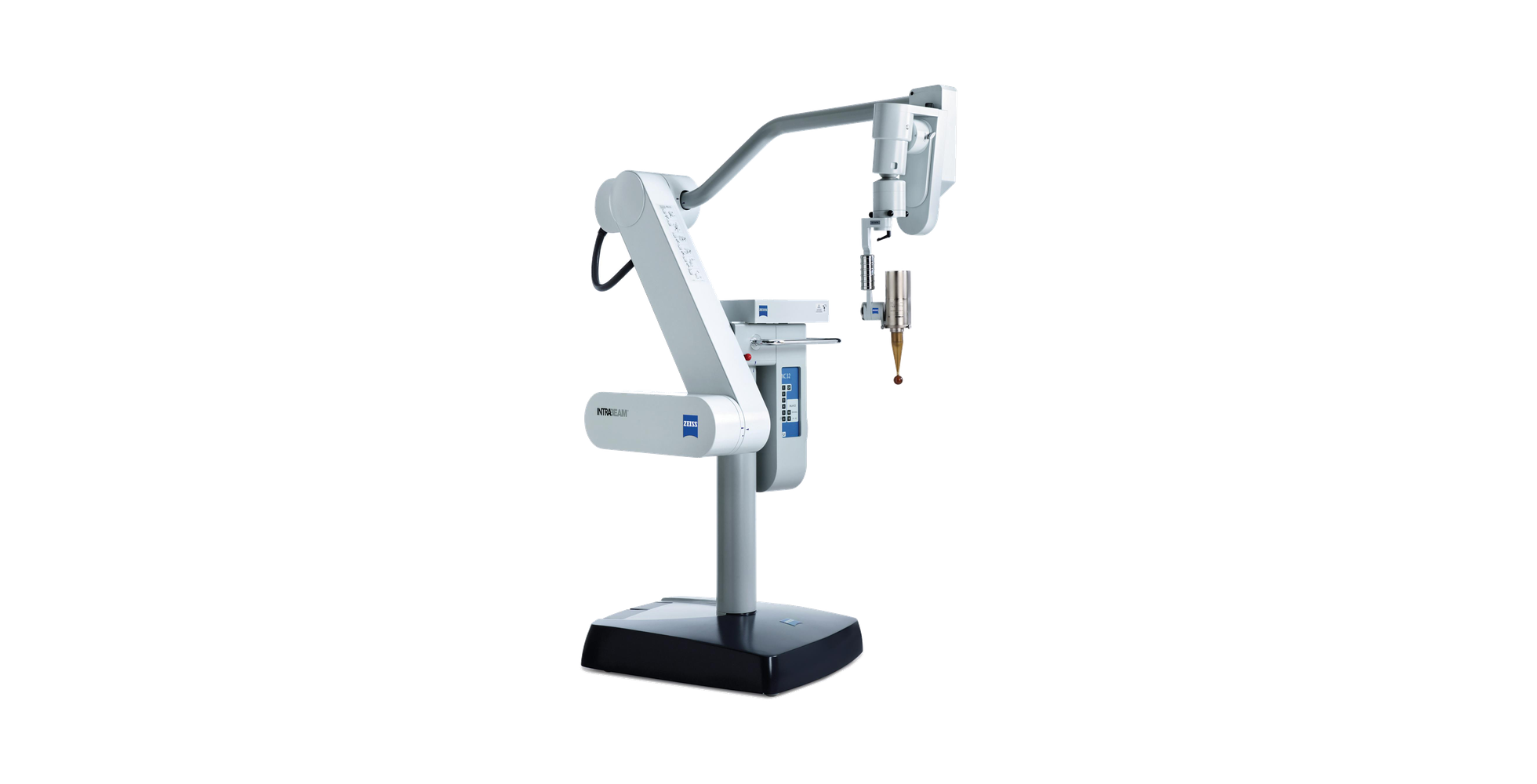
Intraoperative Radiotherapy
Real-time imaging during surgery confirms that the tumour has been completely removed and the target is reached safely. This minimises the failure rate and the likelihood of repeat surgery.
Brachytherapy
This is radiation therapy delivered by temporarily placing radioactive sources into tissue or body cavities. Particularly in gynaecological cancers, it provides a high dose at the tumour site while causing less damage to surrounding tissues.
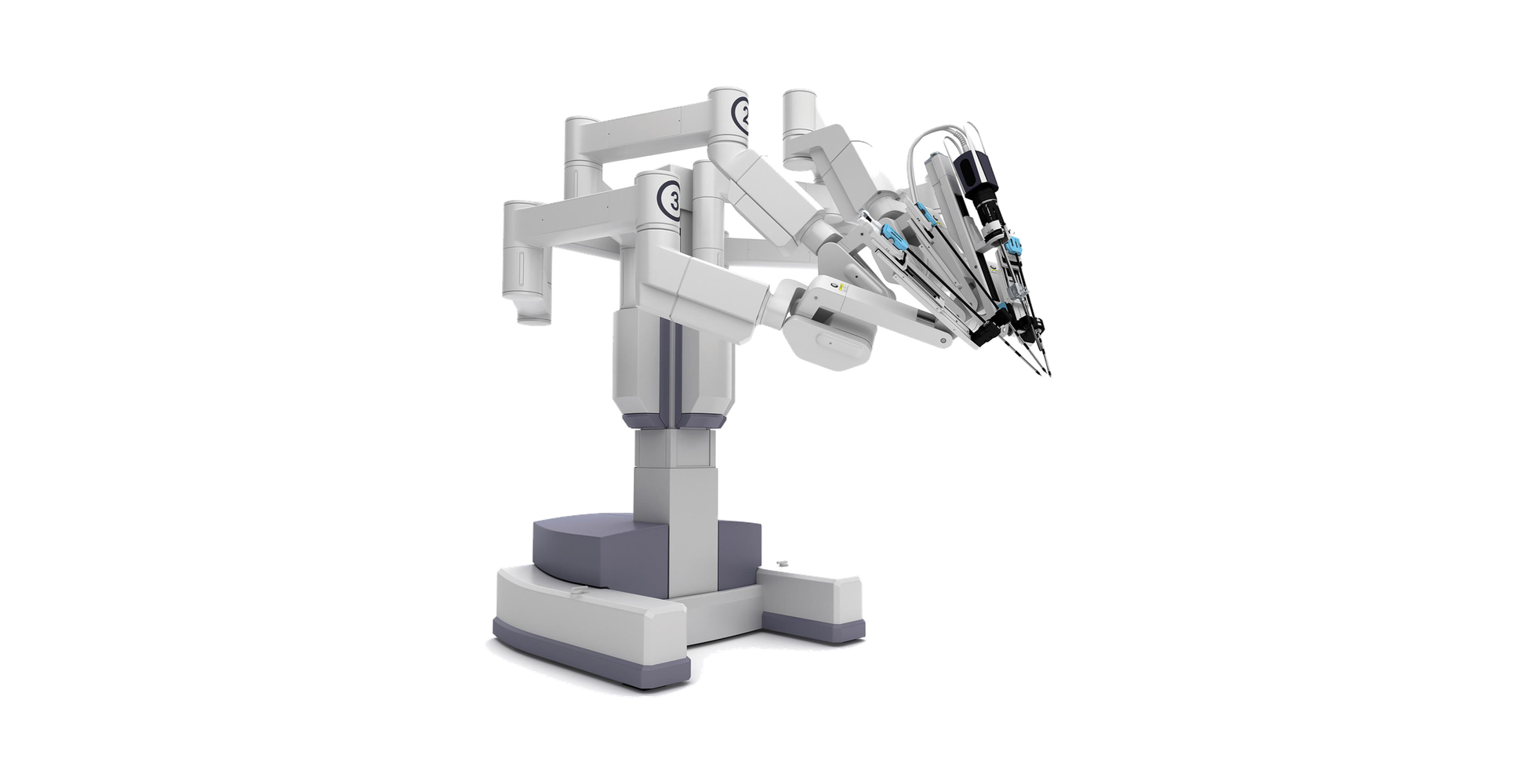
Da Vinci Robotic Surgery
The minimally invasive approach provides smaller incisions, less blood loss and pain, a lower risk of infection and faster recovery. It is used in a wide range of operations, particularly prostate, kidney, colorectal and gynaecological cancer surgery.
Planned patient journey
- 01 Online pre-consultation
- 02 Flight and welcome
- 03 Hospital appointment
- 04 Hotel and check-up
- 05 Return transfer
Treatment plan
Doctor's assessment and a category-specific procedure schedule.
Accommodation support
Discounted hotel and transfer times are planned together.
Get a second medical opinion
The opportunity to consult another specialist before deciding on treatment.
Multilingual communication
Receive service in your native language.
Surgical Oncology
This is a speciality focused on the surgical treatment of cancer. Cancer is a complex disease that requires a multidisciplinary approach to diagnosis and treatment, involving disciplines such as medical oncology, radiation oncology, nuclear medicine and pathology.
In addition to surgically removing cancer, surgical oncologists also perform palliative operations to control pain, improve the patient's comfort and manage cancer-related symptoms and side effects.
Oncology surgeons play an active role not only in the treatment phase but also in the diagnosis of cancer, which can be completely eliminated with early detection.
It is important that oncological surgery is performed by surgeons specialised in this field. Studies show that cancer operations performed with a multidisciplinary perspective have a positive effect on patients' survival rates and quality of life.
In our hospital's General Surgery Unit, breast, thyroid, stomach, pancreatic, colon and anal cancers are treated by Surgical Oncology specialists using modern methods (laparoscopic and oncoplastic).

Radiation Oncology
Radiation oncology is a speciality that studies the effects of ionising radiation on cancer cells and tumours and investigates the treatment methods delivered with this radiation.
Radiation oncology (radiotherapy) is one of the three main methods used in cancer treatment. The other two are cancer surgery and medical oncology.
Which Diseases Does Radiation Oncology Treat?
All types of cancer are treated in this field. 50–70% of cancer patients receive treatment in a radiation oncology clinic at some point in their lives.
- Breast cancer
- Prostate cancer
- Lung cancer
- Brain tumours
- Bladder tumours
- Skin cancer
- Laryngeal cancer
- Uterine and cervical cancer
- Rectal cancer
- Lymphoma
- Pancreatic cancer
- Bone metastases
- Brain metastases
- Liver metastases
- Lymph node metastases
Contact Us
Leave a message.
When you fill out the form, your details are forwarded to the relevant email address.